
When the economy takes a downturn, people often face increased stress, uncertainty, and financial hardship. During such periods, an interesting trend emerges: gambling activity tends to increase. This may seem counterintuitive, but there are several reasons why people turn to gambling during tough economic times. By exploring the psychological and societal factors behind this phenomenon, we can better understand the attraction of gambling and why, ultimately, social casinos like those on casinoempire.io offer a safe and entertaining alternative.
1. Hope for a Quick Financial Fix
During an economic crisis, many individuals find themselves in dire financial straits. Job losses, rising costs of living, and shrinking investment portfolios can lead to financial anxiety. Gambling, particularly in forms like lotteries or casino games, can present an illusion of a quick fix. With the idea of a life-changing win in their minds, people may view gambling as a potential escape from their current financial woes.
For example, during the 2008 global financial crisis, states like Nevada reported an increase in gambling revenue, despite an overall decline in discretionary spending. This suggests that many people sought gambling as a way to ‘turn things around’ financially. While this mindset can be risky, the hope it brings is a significant driver during hard times.
2. Escapism and Entertainment
Economic downturns often bring an increase in stress levels. The uncertainty surrounding job security, health expenses, and paying bills can lead to anxiety and depression. In such scenarios, people search for ways to escape their troubles, if only temporarily. Gambling provides an accessible outlet for this form of escapism.
Casinos and betting games offer a thrilling distraction from everyday worries. The excitement of placing a bet or spinning a slot machine helps people temporarily forget about their financial difficulties. Even in the Great Depression of the 1930s, horse racing and betting saw a surge as people sought out forms of entertainment that offered the thrill of unpredictability.
3. Seeking Control in Uncertain Times
Economic downturns often make people feel powerless over their circumstances. Losing a job or facing a pay cut can create a sense of lost control. Gambling, on the other hand, allows players to experience a sense of autonomy. In a casino game, individuals have the power to make decisions that affect the outcome, giving them a brief feeling of control.
Even though gambling is largely based on chance, the process of strategizing or selecting bets can create an illusion of control. In difficult times, people gravitate towards activities that allow them to make choices and feel in command, even if those activities involve risk.
4. Social Connection
Humans are social beings, and during economic hardships, people often seek out communal experiences to feel less isolated. Gambling can fulfill this need, providing a social outlet, whether it’s betting with friends, joining online gaming communities, or visiting casinos.
An example of this can be seen in the rise of social gambling platforms and online poker during the COVID-19 pandemic, which triggered a global economic downturn. Online gambling and casino platforms became digital gathering spots where people could interact, socialize, and even celebrate wins together. The community aspect of gambling adds to its appeal during challenging times.
5. Chasing Past Wins and the Gambler’s Fallacy
Many people turn to gambling during economic downturns because they remember past wins or believe they are “due” for a big win. This mindset is part of what’s known as the gambler’s fallacy – the belief that past outcomes influence future results in games of chance. When facing financial pressure, the memory of a previous lucky streak or the notion of being “due” can drive people to bet more, hoping to replicate those moments of success.
6. Affordable Excitement
During an economic downturn, many traditional forms of entertainment become less accessible. Vacations, concerts, and other costly leisure activities are often among the first expenses to be cut from tight budgets. Gambling, in contrast, can offer relatively low-cost excitement. For instance, buying a lottery ticket or playing a few spins on a slot machine can be a thrilling experience for a small amount of money, providing the rush of possibility without a large financial commitment.
The Risk of Traditional Gambling
While the reasons people gamble more during economic downturns are understandable, it’s important to recognize the risks involved. Traditional gambling can sometimes lead to financial losses and increased stress, especially when pursued as a means to fix financial issues. This is where social casinos can present a safer and more enjoyable alternative.
Why Social Casinos Are a Good Option
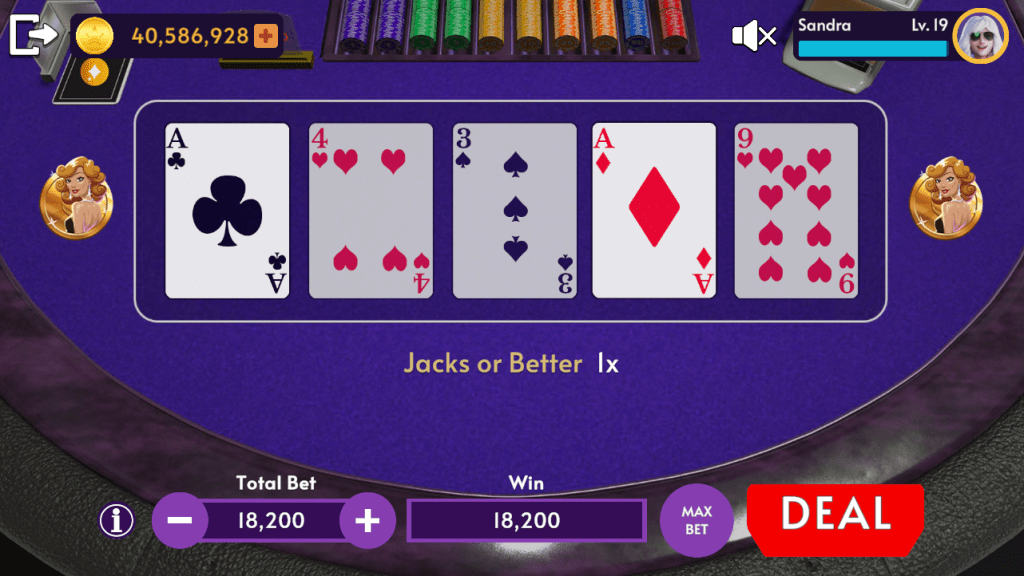
Social casinos, such as those offered by casinoempire.io, provide the excitement of casino gaming without the financial risk. They use virtual currency rather than real money, allowing players to experience the thrill of gambling without the fear of losing their savings.
Social casinos also provide the community experience many people seek. Players can connect with others, compete on leaderboards, and enjoy a wide variety of games in a fun, low-pressure environment. For those looking to unwind, feel a sense of control, or simply have some entertainment during tough economic times, social casinos are an excellent option.
By choosing social casinos, individuals can enjoy the benefits of gambling – the excitement, the social connection, and the temporary escape – without the financial pitfalls of real-money gambling.
If you’re looking for a way to experience the thrill of casino gaming responsibly, consider trying out casinoempire.io and enjoy the best of the gaming world in a safe, virtual space.





 CasinoEmpire Social Casino Blog